
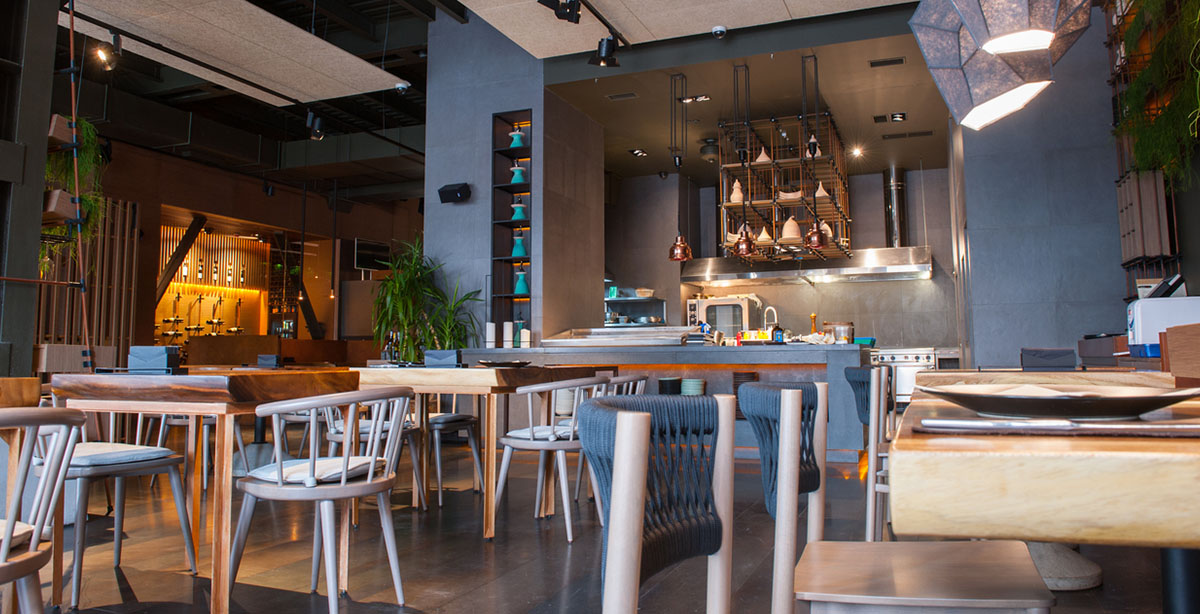
In restaurant openings, FF&E means furniture, fixtures and equipment — the operational assets that turn a finished space into a working dining room and kitchen. It’s separate from general construction because it focuses on the equipment your team uses daily, including seating, lighting, kitchen lines, preparation tables and point-of-sale systems.
The stakes are high in hospitality, especially when working with a fixed opening date and thin margins. Every day you can’t serve guests results in lost revenue. The primary challenge isn’t ordering furnishings. It’s coordinating hundreds of vendors on a site where paint, flooring or inspections remain unfinished.
What Is Restaurant FF&E Installation?
Restaurant FF&E is the process of turning delivered assets into installed, verified, ready-to-use operational equipment and furnishings. It goes beyond delivery to cover:
- Receiving
- Condition checks
- Assembly
- Placement
- On-site installation
Front-of-House Scope
Front-of-house FF&E refers to the guest-facing elements that define your brand experience and floor plan:
- Booths and banquettes
- Dining tables and chairs
- Custom millwork, like service stations and bar fronts
- Host stands and decorative feature pieces
- Point-of-sale terminals and mounts
- Decorative lighting and signage elements
Back-of-House Scope
Back-of-house FF&E is where floor load ratings, electrical capacity and safety controls raise installation risk for industrial-grade appliances such as ovens, dishwashers and walk-in freezers, plus prep tables, shelving, sinks and mobile workstations.
Placing this equipment usually requires lift gates, pallet jacks, rigging tools and experienced handlers who understand how to protect the equipment and the building finishes.
The Installation Difference
Not all delivery models are equal. Drop-off often means leaving an item at the curbside or loading dock without assembling it and taking away the trash. In contrast, white-glove installation includes:
- Moving items into the space and to the correct room.
- Uncrating and debris removal.
- Assembling and placing items.
- Bolt-down and anchoring when needed.
- Leveling equipment for safe operation.
- Fundamental testing and verification steps.
The Hidden Risks of Poor Logistics Planning
Restaurant FF&E logistics can determine whether a project opens on schedule or slips weeks past the target date. When delivery timing, staging and installation sequencing break down, the final phase becomes frustrating and expensive.
Project Delays
One missing piece of custom joinery, a damaged range or a delayed booth shipment can stop the entire closeout phase. A restaurant can’t pass final inspections or run training if the kitchen and dining room aren’t usable.
Delay triggers may involve:
- A single missing component holding up the assembly.
- Equipment arriving before rough-ins are ready.
- Items delivered to the wrong location or jobsite entrance.
- No labor available to unload during a narrow delivery window.
Freight Damages
Restaurant FF&E ships through a mix of carriers, packaging types and handling methods. When items ship less-than-truckload, they often pass through multiple terminals and transfers before reaching your site.
Extra handling at these stops increases the chances of dents, scratches, crushed corners and concealed damage that only appears after uncrating.
When freight arrives at an active construction site, damage risk can increase again because:
- There’s limited space to stage safely.
- Forklift traffic and debris create hazards.
- Packaging gets removed too early, exposing items to damage.
- Teams rush to unload to clear the dock.
Storage Nightmares
Equipment frequently arrives while construction is still underway, creating clutter, increasing damage risk and slowing down your general contractor. Crews can’t work safely around stacks of crated furniture and boxed fixtures.
When FF&E becomes a jobsite storage problem, you might see:
- Crates stacked in hallways and egress paths
- Furniture absorbs dust and construction residue
- Missing boxes because items get moved repeatedly
- Extra labor hours spent shifting inventory instead of installing it
Cost Overruns
Cost overruns accumulate through avoidable disruptions, including missed delivery windows, out-of-sequence arrivals and damaged freight you must replace under compressed timelines.
Hidden cost drivers may include:
- Expedite fees to recover the schedule.
- Storage demurrage charges from carriers.
- Redelivery fees when a site rejects freight.
- Emergency replacement orders for damaged goods.
- Overtime labor to install under deadline pressure.

Restaurant FF&E Installation Tips
Effective restaurant FF&E installation strategies reduce risk by keeping deliveries aligned with site readiness and protecting high-value assets.
The most reliable approach combines off-site coordination, early inspection, phased delivery and single-source coordination. With proper planning, the installation stays controlled from receiving through final placement.
1. Consolidate Off-Site
Routing FF&E to a secure local warehouse instead of shipping everything directly to your venue gives you a controlled environment for receiving, staging and scheduling, rather than trying to manage deliveries in a space that’s still under construction.
Off-site consolidation helps you:
- Reduce carrier confusion and missed deliveries.
- Keep jobsite traffic lower.
- Hold inventory until the space is ready.
- Combine multiple shipments into fewer deliveries.
2. Inspect Upon Receipt
Inspection protects tight schedules by identifying damage, shortages or spec mismatches while there is still time to file claims and source replacements.
Receiving FF&E at a warehouse weeks ahead of the install gives you time to:
- Document damage for claims.
- Order replacements without delaying your planned opening date.
- Confirm quantities and catch missing cartons.
- Verify finishes and specs match the order.
3. Phase Delivery
A phased install makes it easier to align your FF&E with the construction schedule. This approach reduces rework and preserves finished surfaces.
Implementing a practical sequence often looks like:
- Placing BOH equipment early so it’s out of the way.
- Adding heavy fixtures and millwork after the major construction dust ends.
- Bringing the FOH furniture later to keep it clean and protected.
- Finalizing decor and finishing touches.
4. Single-Source Management
Managing multiple vendors and trucking companies can create scheduling gaps and mismatched paperwork. A single logistics partner can coordinate receiving, warehousing, delivery and installation as one master plan, instead of overlapping carrier appointment windows.
This approach has multiple advantages:
- Centralized documentation for bills of lading, packing lists and proof of delivery.
- Consistent receiving standards for inspection, photo logs and exception reporting.
- Faster issue resolution when freight arrives short, damaged or out of sequence.
5. Coordinate With General Contractors
Your logistics partner should coordinate directly with the general contractor to ensure delivery windows align with actual site conditions. That may cover:
- Elevator availability and protection requirements.
- Loading dock schedules and truck access.
- Work-hour restrictions in mixed-use buildings.
- Site readiness confirmation before trucks roll.
6. Protect the Assets
Restaurants combine heavy equipment with finished flooring, painted walls and tight corridors. Protecting the venue prevents damage claims and rework.
Some standard protection steps include:
- Masonite floor protection in high-traffic paths.
- Corner guards for tight turns.
- Wall padding in narrow hallways.
- Clear staging zones to prevent stacking chaos.
7. Inventory Management
A digital inventory system helps you track received items, staged equipment and missing components. It provides documentation when a vendor claims they shipped something that never arrived.
Look for tracking that has:
- Item-level check-in status.
- Photo documentation on the receipt.
- Location and staging notes.
- Exception reporting for missing or damaged pieces.
8. Plan for Trash Removal
A full restaurant install produces dumpster loads of cardboard, pallets, foam and crates. If you don’t plan for removal, debris may block the flow during installation, creating safety hazards.
Professional installers should dispose of leftover packaging and other trash daily so your space stays workable and your crews can maneuver safely.
Use these operational steps to keep trash removal organized and crews productive:
- Schedule dumpster placement before deliveries arrive.
- Coordinate haul-off timing with installation phases.
- Separate recyclable materials from general waste.
- Clear aisles and exits at the end of each workday.

Optimize Your FF&E Logistics for Success
Your restaurant opens on time only when FF&E logistics align with construction, staffing, inspections and final punch-list work. Missed coordination during this phase can create delivery pileups and delays that ripple through training and soft-opening plans, turning your launch into a stressful and uncoordinated event.
Corrigan Logistics’ white-glove service keeps your schedule on track by carefully managing every stage of the process. From off-site receiving and inspection to staged delivery and professional installation, count on our team to move your FF&E forward. Contact us to discuss your project’s needs and open on the scheduled day.